Unlocking the Charm of Retro Santa Feeling a Little Jolly for Your Holiday Projects
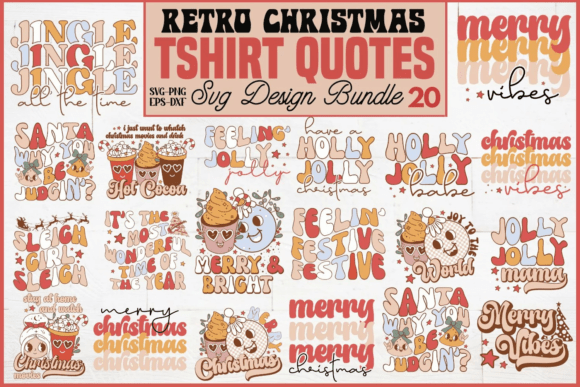
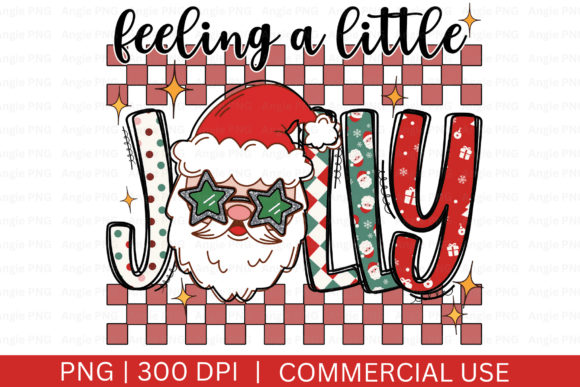
The holiday season brings a unique blend of nostalgia and creativity, and few design elements capture that spirit quite like the Retro Santa Feeling a Little Jolly graphic. This specific digital asset has gained traction among creators who are looking to move away from generic, modern clipart and toward something with vintage soul. Whether you are a small business owner launching a new line of Christmas tees, a blogger sprucing up your seasonal posts, or a hobbyist making personalized gifts, understanding the nuances of this file type is crucial for success. While the charm of the design is undeniable, the path from downloading to final product is often paved with avoidable errors that can compromise your quality and violate usage terms.
Understanding the File Format and Resolution Reality
One of the most frequent misunderstandings surrounding the Retro Santa Feeling a Little Jolly image involves its file format. Many users, accustomed to the versatility of vector files, mistakenly assume this graphic is an SVG. It is explicitly NOT an SVG file. This distinction is vital. An SVG (Scalable Vector Graphic) can be resized infinitely without losing quality because it is based on mathematical paths. In contrast, this product is a high-resolution PNG digital image with a transparent background at 300 DPI.
Why does this matter? If you attempt to treat this PNG as a vector by stretching it beyond its intended dimensions, you will encounter pixelation. A common mistake occurs when a creator downloads the file and immediately tries to blow it up for a large banner or a oversized blanket print without checking the pixel dimensions first. While 300 DPI is the industry standard for high-quality printing, it only guarantees crispness at the native size or smaller. Enlarging it significantly will result in a blurry, unprofessional finish that detracts from the retro aesthetic. Before you begin any project, open the file in your preferred software to verify its actual width and height in inches or pixels. Plan your layout so that the image remains within its optimal resolution range.
Navigating Licensing and Ethical Usage
Beyond technical specifications, the legal and ethical use of digital assets is an area where many well-meaning creators stumble. The terms of use for Retro Santa Feeling a Little Jolly are clear, yet they are often overlooked in the excitement of starting a new project. You are encouraged to use this product for your print on demand business, which is excellent news for entrepreneurs. However, there is a strict prohibition against reselling the digital product itself or gifting it to others in its current state.
A typical error happens when a user purchases the file and then shares it with a friend who also wants to make shirts, or worse, lists the raw PNG file on a different marketplace. This not only violates the creator's rights but also devalues the work put into designing the original art. Remember, you are buying a license to use the result of the design on physical or digital end-products, not the design file itself as a commodity. If you want to share the joy of this design, gift a finished t-shirt or a printed card, not the downloadable file. Respecting these boundaries ensures that artists continue to produce high-quality resources like this for the community.
Color Accuracy and Device Variations
Another subtle pitfall involves color management. The description notes that colors may vary between devices and printers, a warning that is frequently ignored until the final product arrives. Digital screens emit light, while printers use ink or toner to reflect light, leading to inevitable discrepancies. A vibrant red on your monitor might print as a darker maroon on a cotton tee, or a soft cream background might appear stark white on a sublimation mug.
To avoid disappointment, do not rely solely on what you see on your laptop screen. If you are running a business, order a sample print before committing to a bulk order. Check how the colors render on the specific material you intend to use, whether it is a dark heather gray shirt or a glossy ceramic ornament. Understanding that your device calibration affects perception allows you to make adjustments in your design software beforehand. This proactive step saves money on wasted inventory and ensures your customers receive a product that matches their expectations.
Maximizing Versatility Across Applications
The true power of the Retro Santa Feeling a Little Jolly graphic lies in its versatility, provided you apply it correctly. This design is perfect for creating t-shirts, bags, sublimation products, cards, digital scrapbooks, invitations, blogs, web design, and DTG printing. However, each application requires a slightly different approach.
- For Sublimation: Ensure you mirror the image before printing if it contains any text or directional elements, although this specific Santa design is likely symmetrical enough to forgives minor oversights. Always use high-quality sublimation paper and press settings appropriate for your blank.
- For DTG (Direct to Garment): Since this is a PNG with a transparent background, it integrates seamlessly into dark garments without needing a white underbase square, provided your printer handles transparency correctly. Double-check your separation settings.
- For Web and Blogs: While the 300 DPI resolution is great for print, it can result in large file sizes for websites. Consider optimizing the image for web use by reducing the file size without compromising visual quality to ensure fast loading times for your readers.
- For Invitations and Cards: Pair this retro graphic with complementary vintage fonts. A common mistake is pairing a nostalgic image with a hyper-modern sans-serif font, which creates a disjointed visual experience. Stick to serif or script fonts that echo the era of the illustration.
Essential Software Knowledge
Finally, an important note: please make sure you have the required software and knowledge to use this graphic. Purchasing the file does not include a tutorial on how to use Photoshop, Illustrator, Canva, or Silhouette Studio. If you are a beginner, take the time to learn how to import PNGs, manage layers, and export files for your specific manufacturing method. Trying to wing it often leads to frustration and poor results. There are countless free resources available online to help you master these tools. Investing a little time in learning the software will empower you to get the most out of the Retro Santa Feeling a Little Jolly design and elevate the overall quality of your creative output.
By paying attention to file formats, respecting licensing terms, managing color expectations, and matching the design to the right medium, you can avoid the common pitfalls that plague many holiday projects. This approach not only protects your investment but also ensures that your final creations bring genuine joy and professional polish to your audience this season.